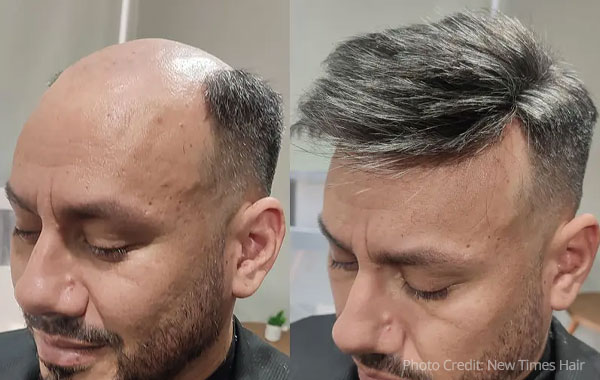
The Real Cost of Hair Replacement Systems, Wigs, and Toppers: What Men and Women Should Know Before Investing
Hair loss affects millions of men and women every year. Whether the cause is genetic, hormonal, medical, or stress related, the emotional impact is often the same. Many people reach a point where topical treatments and supplements are not enough, yet they do not want or qualify for surgical hair restoration. This is where non surgical hair replacement solutions offer a powerful alternative.
Hair replacement systems, premium wigs, and toppers have improved dramatically over the past decade. Modern materials, advanced ventilation techniques, natural looking hairlines, and customizable base designs have made non surgical options nearly undetectable.
But there is one question every consumer eventually asks:
How much does it really cost?
Cost is one of the most confusing and least transparent parts of the industry. Prices vary widely based on quality, customization, attachment method, hair type, and ongoing maintenance. Without the right information, it is easy to overspend or choose a solution that does not fit your lifestyle or long term expectations.
This wide ranging guide breaks down the true costs associated with hair systems, wigs, toppers, and trichology or treatment programs. It also includes practical tips to save money, prevent unnecessary upgrades, and choose the right studio for your needs.
Understanding What You Are Paying For
Before comparing price ranges, it is helpful to understand what goes into the cost of non surgical hair replacement. Prices reflect several factors:
1. Hair Type
- Virgin human hair (unprocessed): highest cost
- Remy human hair (aligned cuticles): premium cost
- Standard human hair (processed): mid range
- High quality synthetic fiber: affordable to mid range
- Heat friendly synthetic fiber: slightly higher
2. Base Material and Construction
The base is the foundation of a system, wig, or topper. More advanced materials cost more because they look more natural and feel more comfortable.
Common base types include lace, thin skin, silk top, monofilament, and hybrid bases.
3. Customization Level
Options range from stock and semi custom units to fully custom pieces made from a mold of your scalp. Fully custom work increases cost but improves realism and fit.
4. Attachment Method
Costs differ based on whether the unit is removable at home, secured semi permanently with professional bonding, or installed using micro links, clips, or integrated systems.
5. Maintenance Requirements
Many people underestimate how much maintenance affects long term cost. Studio visits, cleanings, re bonds, color refreshes, and replacement units all add up.
6. Replacement Frequency
The more natural and delicate the system, the shorter its practical lifespan. A very realistic, high end system may require replacement more frequently than a durable synthetic option.
Cost Breakdown: Hair Replacement Systems
Hair replacement systems are the most customizable and most frequently used non surgical option for both men and women.
Initial Cost Range
- Stock system: 500 to 1,500 USD
- Semi custom system: 1,200 to 2,500 USD
- Fully custom system: 2,500 to 5,000 USD plus
Variables include hair length, density, hair type, and base materials.
Maintenance Costs
Semi-permanent bonding requires regular studio visits ranging from 60 to 200 USD per appointment, usually every 3 to 6 weeks.
Annual Maintenance Estimate
Most clients need multiple studio visits per year and several replacement units. A realistic annual range for committed users is 2,500 to 8,000 USD per year depending on materials, lifestyle, and maintenance frequency.
Who This Option Fits Best
Men with advanced pattern hair loss, women with diffuse thinning, both of which fall under the medical category of androgenetic alopecia, and anyone wanting full time coverage that stays on during sleep, exercise, and daily activities.
How to Save Money
- Choose hybrid bases that balance durability and realism
- Learn basic cleaning at home if your studio offers removable options
- Use proper hair care products to extend the life of each unit
Cost Breakdown: Wigs
Wigs are ideal for individuals experiencing total hair loss or wanting complete coverage without bonding.
Synthetic Wigs
- Basic synthetic: 100 to 300 USD
- Mid range synthetic: 300 to 700 USD
- High end synthetic: 700 to 1,500 USD
Pros: affordable, holds style, low maintenance. Cons: shorter lifespan and limited heat styling unless fiber is heat friendly.
Human Hair Wigs
- Standard human hair: 700 to 1,800 USD
- Remy human hair: 1,800 to 3,500 USD
- Luxury virgin hair wigs: 3,500 to 6,000 USD plus
Pros: extremely natural and heat styleable. Cons: higher maintenance and higher upfront cost.
Maintenance Costs
Professional wash and style ranges from 40 to 150 USD. Repairs, ventilation work, and care products add to annual cost. Typical annual servicing costs range from 200 to 1,000 USD depending on wig type and usage.
Replacement Frequency
Synthetic wigs usually need replacement every 4 to 12 months. Human hair wigs can last 12 to 36 months with proper care.
Who This Option Fits Best
Chemotherapy patients, those with total alopecia, women wanting full volume transformations, and anyone who prefers removing their hairpiece daily.
How to Save Money
- Rotate two wigs to extend lifespan
- Use wig liners to protect the inside of the cap
- Learn at home washing and styling techniques
Cost Breakdown: Hair Toppers
Toppers offer partial coverage for thinning at the crown, part, or top of the head.
Initial Cost Range
- Synthetic toppers: 150 to 600 USD
- Human hair toppers (standard): 400 to 1,200 USD
- Human hair toppers (Remy): 1,200 to 2,500 USD
- Hand tied or silk top toppers: 1,000 to 3,000 USD
Maintenance Costs
Blending cuts, washes, and clip repairs are relatively inexpensive. Typical annual cost ranges from 150 to 800 USD.
Replacement Frequency
Toppers often last 9 to 24 months depending on hair type and how often they are worn.
Who This Option Fits Best
Individuals with early to moderate hair loss, people who want lightweight breathable coverage, and those who prefer removable solutions.
How to Save Money
- Choose synthetic if you will keep a consistent style
- Match color closely to avoid frequent salon blending
- Use silicone lined clips to reduce damage to natural hair
Cost Breakdown: Trichology Services and Topical Treatments
Some individuals want to slow or stabilize hair loss. Others want to improve scalp health so hair systems or toppers fit more comfortably.
Trichology Consultation
Consultation fees commonly range from 75 to 300 USD depending on the trichologist provider and region.
Scalp Analysis and Custom Programs
Scalp imaging often costs 50 to 150 USD. Multi session scalp treatment programs can range from 300 to 1,200 USD or more depending on the protocol.
Topical Treatments
- Minoxidil based formulas: 20 to 60 USD per month
- DHT blocking topicals: 30 to 80 USD per month
- Growth serums and peptides: 50 to 120 USD per month
- Low level laser therapy devices: 200 to 1,200 USD one time
Annual Cost Estimate
Annual spending on trichology and topical approaches typically ranges from 500 to 2,500 USD depending on treatment intensity and device purchases.
Who This Option Fits Best
Individuals trying to preserve existing hair, those not yet ready for a system or topper, and clients who want to maximize natural density before choosing a solution.
How to Save Money
- Choose subscription programs that bundle products
- Ask your trichologist which products are essential and which are optional
- Consider in office treatments only if results plateau with home use
What Factors Influence Your Total Cost the Most?
After working with many hair replacement clients across the industry, several key patterns emerge.
1. The More Natural the Hairline, the Higher the Cost
Ultrathin lace or skin bases look excellent, but they are delicate and require more frequent replacement.
2. Human Hair Is Not Always the Best Value
High end synthetic fibers now mimic human hair well and can last longer in some use cases.
3. Bonding and Maintenance Drive Long Term Cost
Even inexpensive systems become costly over time if the maintenance schedule is aggressive.
4. Custom Work Means Premium Pricing
If you require a precise mold or specialized ventilation, expect higher costs and longer production times.
5. Studio Reputation Matters
The most expensive option is the one you have to replace because of poor fit, unnatural density, incorrect color match, or improper maintenance advice. A reputable studio helps minimize long term cost through quality and guidance.
Location and provider expertise matter for all of the price ranges listed above. Costs tend to be higher in larger metropolitan areas and lower in smaller cities and population centers. The degree of expertise of the service provider also affects price. Experienced specialists with strong reputations typically charge more, but they can reduce long term expenses by delivering better fit, more natural results, and more effective maintenance guidance.
How to Choose the Most Cost Effective Option for Your Needs
Generally speaking, choose a hair replacement system if you want full coverage and do not mind regular maintenance. (Keep in mind, of course, that you have been having regular maintenance your entire life, beginning with your first haircut as an infant). Choose a wig if you prefer removable hair and want style flexibility. Choose a topper for partial coverage and a lightweight solution. Choose trichology or topicals if you want to slow or stabilize hair loss or to complement another replacement solution.
Where People Overspend Most Often
- Overly delicate systems requiring frequent replacement
- Upgraded hair types that provide minimal benefit for your natural texture
- Multiple products with overlapping purposes
- High maintenance attachment methods that are not necessary
- Wigs that require professional styling after every wash
How to Protect Your Investment
- Ask about expected lifespan before purchasing
- Follow the studio’s care instructions
- Use the right products and avoid sulfates, alcohol, and excessive heat
- Protect your unit from friction with silk pillowcases or wig liners
- Budget for replacements to avoid surprise expenses